
Construction
Building From the Ground Up With an SBA 504 Loan
An SBA 504 loan can finance ground-up construction. The business must plan to occupy at least 60% of the new building, compared with 51% for an existing one. Construction is usually funded by interim financing from the bank, with the SBA portion taking out its share once the building is complete and the debenture funds.
What changes when you build
- Occupancy is 60%, not 51%. You can lease up to 20% permanently and another 20% temporarily, growing into it within three years and fully within ten years. The occupancy rules.
- Equity may be higher. A special-purpose building (a hotel, a car wash, a medical facility) takes 15%; a start-up building one takes 20%.
- The timeline is longer, because a building that doesn't exist yet has to be appraised, permitted and built before the debenture can fund.
How the money actually flows
Approval before the first shovel
NSDC approves the SBA portion and the bank approves its first mortgage on the plans, the bids and the as-completed appraisal.
Interim financing carries the build
The bank funds construction draws as work is inspected and completed, covering both its own half and, on an interim basis, the SBA's 40%.
Completion
Certificate of occupancy, final inspection, final cost accounting. Your business moves in.
The debenture funds
At the next monthly sale after completion, the debenture funds and pays off the interim loan for the SBA portion. Your rate on that portion is set that day and fixed for the term. The debenture.
Land
Buying the land is part of the project and part of the 504. Land you already own can count toward your equity at its appraised value, which is often how a builder-owner reaches the 10% without cash.
The timeline, honestly
Approval runs on the same clock as a purchase. What's longer is everything after: permits, an appraisal on a building that doesn't exist yet, environmental review on undeveloped land, and the build itself. Budget the construction schedule plus one debenture cycle before your rate is set, and expect the interim loan's rate to float in the meantime.
What can go wrong
- Cost overruns. A contingency is built into the approved project cost; beyond it, the bank and NSDC re-underwrite. Tell us early.
- Schedule slips. Interim interest accrues longer. The debenture waits for completion; it doesn't expire because a build ran late.
- A contractor fails. Bonding and the draw process exist for this. Replacing a contractor mid-build is disruptive but not fatal to the loan.
No competitor publishes this list. We do because a borrower who knows what can go wrong calls sooner when it does.
Nevada businesses that built
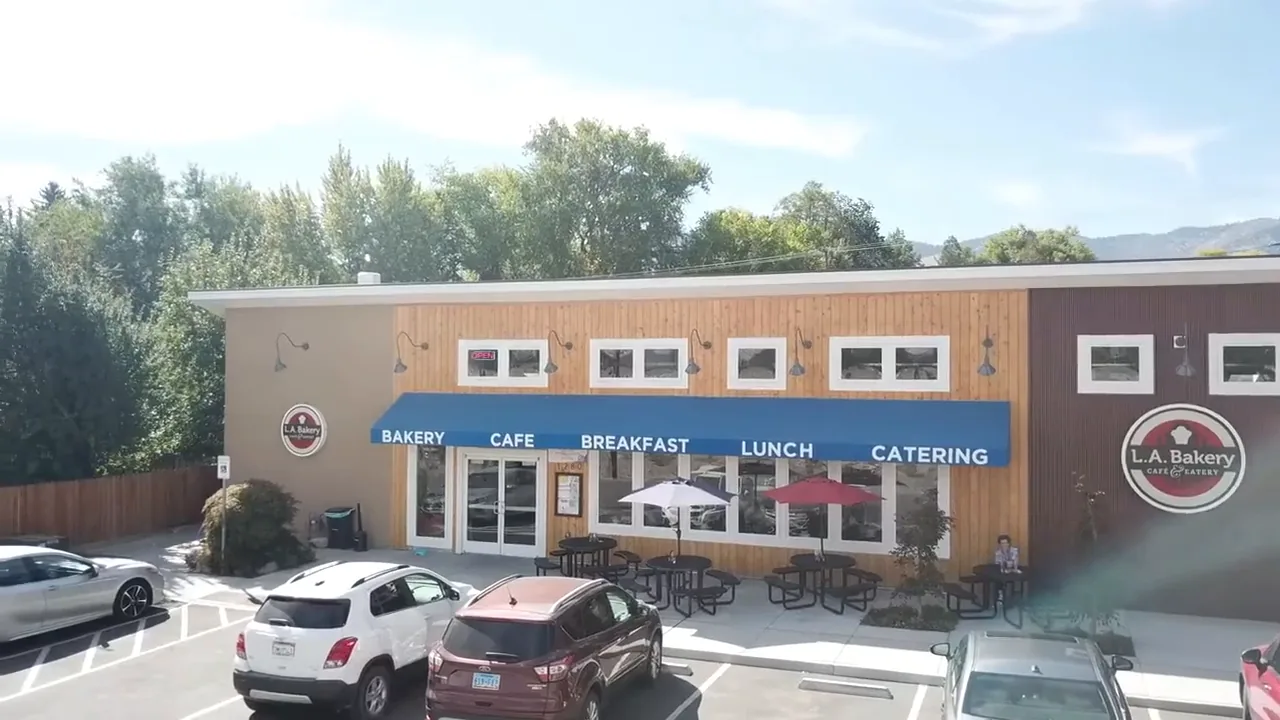
L.A. Bakery Cafe
A bakery, cafe and commissary kitchen built out in one project.
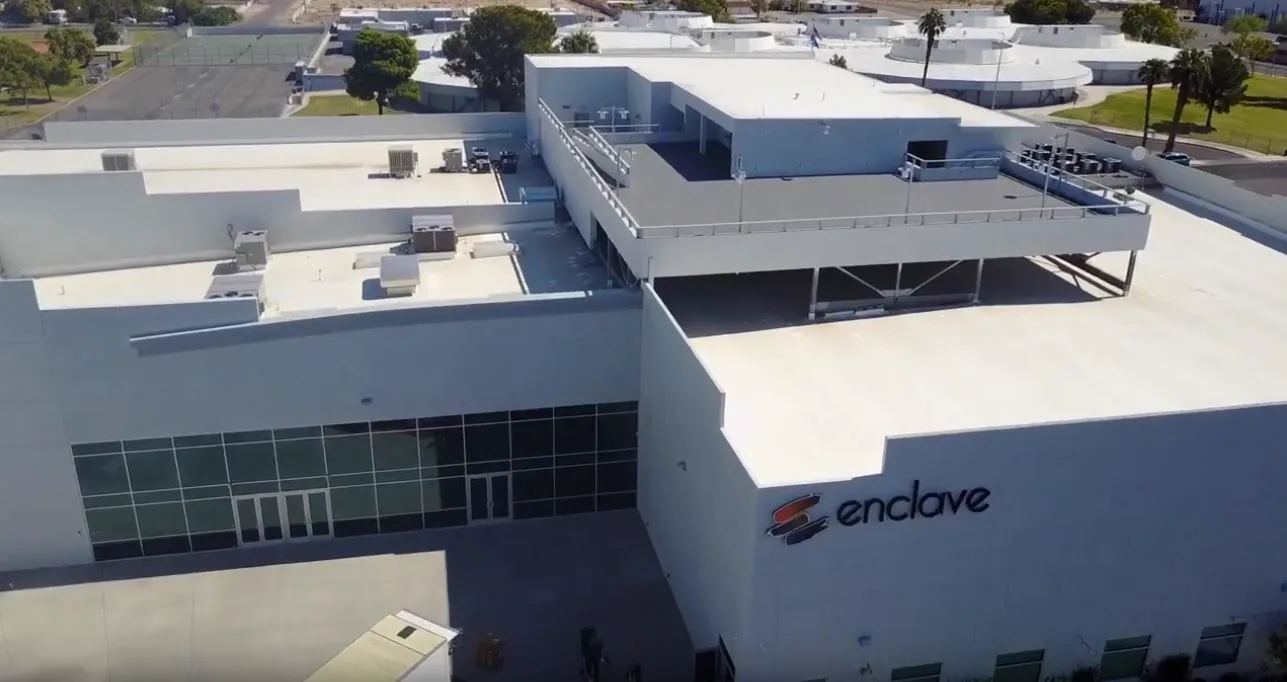
The Enclave
A ground-up event venue financed through NSDC.
Questions
Can I use my own contractor?
What if costs exceed the estimate?
When does my rate get set?
Can I build to suit and lease part of it?
Verified against 13 CFR 120.131 and SOP 50 10 8 in September 2026. This page is for general informational purposes only.